Nigeria’s power sector has made significant progress over the years, yet grid instability remains one of the biggest challenges facing businesses and industries across the country. From unexpected outages to voltage fluctuations, power disruptions continue to affect productivity, increase operating costs, and place unnecessary strain on electrical equipment.
While no single business can solve the country’s power challenges, understanding why they occur and how to prepare for them can make a significant difference. With the right electrical infrastructure and maintenance strategy, businesses can reduce downtime, protect valuable equipment, and improve operational reliability.
Why the grid faces ongoing challenges
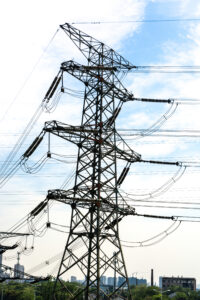
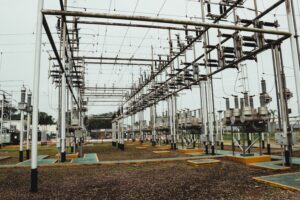
Nigeria’s national power grid operates under several long-standing constraints. Aging transmission infrastructure, limited transmission capacity, growing electricity demand, and an expanding population have placed enormous pressure on the system. In many cases, transmission lines, substations, and distribution equipment were installed years ago and have struggled to keep pace with modern energy requirements.
These challenges contribute to voltage instability, localized outages, load shedding, and, in some cases, widespread grid disturbances. Although improvements continue to be made across the sector, businesses still need to plan for occasional interruptions rather than assume continuous power availability.
How grid instability affects businesses
For commercial and industrial facilities, unstable power supply can have serious operational and financial consequences. Voltage surges can damage sensitive electrical equipment, while unexpected outages interrupt production schedules, delay service delivery, and reduce overall productivity.
Many organizations also rely heavily on backup generators, leading to increased fuel consumption, higher maintenance costs, and additional operational expenses. Over time, these costs can have a significant impact on profitability if not properly managed.
Practical ways to reduce the impact
Although businesses cannot control the national grid, they can take practical steps to improve the reliability of their own electrical systems.
Install voltage stabilization and surge protection
Power fluctuations are among the leading causes of equipment damage. Installing quality voltage stabilizers, surge protection devices, and protective switchgear at key points within the electrical system helps safeguard valuable machinery and electronic equipment.
Maintain transformers and distribution equipment
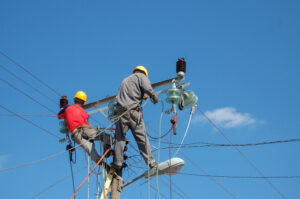
A properly sized and well-maintained transformer plays a critical role in ensuring stable power distribution. Routine inspections, testing, and preventive maintenance help identify developing faults before they result in costly failures or prolonged downtime.
Plan backup power correctly
Backup generators are essential for many Nigerian businesses, but they should be selected based on accurate load assessments. Oversized generators consume unnecessary fuel, while undersized units may fail to support critical operations during outages. A properly engineered backup power solution improves efficiency and reliability.
Conduct routine electrical audits
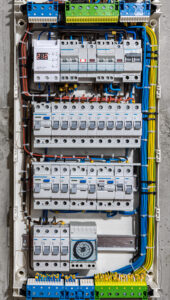
Regular inspections of cables, switchgear, panels, breakers, and internal distribution systems help identify worn components, overloaded circuits, and potential safety hazards before they develop into major problems. Preventive maintenance is almost always more cost-effective than emergency repairs.
Invest in preventive maintenance
Electrical systems perform best when they are inspected and serviced on a regular schedule. Preventive maintenance extends equipment lifespan, improves safety, reduces unexpected failures, and lowers long-term operating costs.
Building resilience for the future
Power challenges in Nigeria are unlikely to disappear overnight. However, businesses that invest in resilient electrical infrastructure are better positioned to maintain operations, protect valuable assets, and minimize costly disruptions.
At C.Stan Electric Engineering Limited, we help commercial, industrial, and utility clients strengthen their electrical infrastructure through professional engineering, preventive maintenance, transformer services, power distribution solutions, and electrical system upgrades. Our goal is to deliver reliable solutions that perform effectively under real-world operating conditions.
A reliable power system is not just about responding to outages. It is about planning ahead, maintaining critical infrastructure, and building an electrical network that supports your business for the long term.